Meatless Mondays: Staples in the Pantry

Follow me on Twitter and Facebook.

In order to maintain healthy, unprocessed eating habits, you have to do some advance planning and thinking. This will prevent you from loading up on junk food and then feeling sluggish and guilty afterward. I always make a tentative meal plan each Sunday morning (before heading out to the farmers market). I pin recipes I want to try, analyze the items I have in the fridge, and make a grocery list. Then, I head off to the Farmer’s Market. The planning process takes me about 15 minutes, (sometimes longer if I get distracted by all of my cookbooks and pins). I also always default to a few staple recipes, so I make sure my pantry and fridge is always stocked with the items needed. Of course, it took me a little longer when I first started this planning process. Since the both of us work from home, I plan out lunches too. Though, even if we were commuting to an office, we would  take a bagged lunch (more on that later).  I like to spend 30-40 minutes in the kitchen each day and then be done with cooking and cleaning. I also like making large quantities at once, so we can eat the leftovers or transform them to something else rest of the week. Two vegetarian staples I always keep on hand and make in large quantities are quinoa and French green lentils. I always have these two in my pantry, because they store well and they are cheaper to buy in bulk. Also, when my fridge is empty and I don’t have any fresh vegetables, I can make do with these two. (A lot healthier and tastier than pasta.)

1. Quinoa– Quinoa (pronounced Keen-wah) is a South American complete protein grain. A complete protein grain means that it has a balance of essential amin0 acids (needed for tissue development), vitamins, and minerals. Quinoa has a nutty flavor and is rich in antioxidants. Even though, quinoa is not a true grain,  it is used as a grain and substituted for grains because of it’s cooking characteristics. It has the same preparation method as rice, taking only 15 minutes to cook, and can be used in casseroles, soups, salads, stir-fries, and stews. Quinoa tastes even better when it’s Fair-Trade!

Quinoa comes in many varieties- red, black, white, pink. This one is a red varietal.

2. Lentils– Lentils are widely used in India, Africa, and Europe and boasts many health benefits. They can be cooked in a variety of ways and have an earthy flavor. Lentils are an essential source of inexpensive protein in many parts of the world. They also contain fiber, folate, vitamin B1 and minerals.  Lentils are not as daunting to cook once you give it a try. Some lentils are super easy and quick, others require overnight soaking or a pressure cooker. I like using French Green Lentils (FGL), because they are super easy to prepare, higher in fiber, and I have mastered them.

I cook large batches of either quinoa or FGL (sometimes both) at the beginning of the week and use them as a base for our meals or quick snack. For instance, I can spruce up cooked quinoa with dried fruit and nuts for a power snack. Or, I can mix in vegetables with the lentils and have it be dinner. On Meatless Mondays, I usually center one meal around either the quinoa or lentils.

About 1 cup dried FGL will be sufficient for Satish and I to use throughout the week.

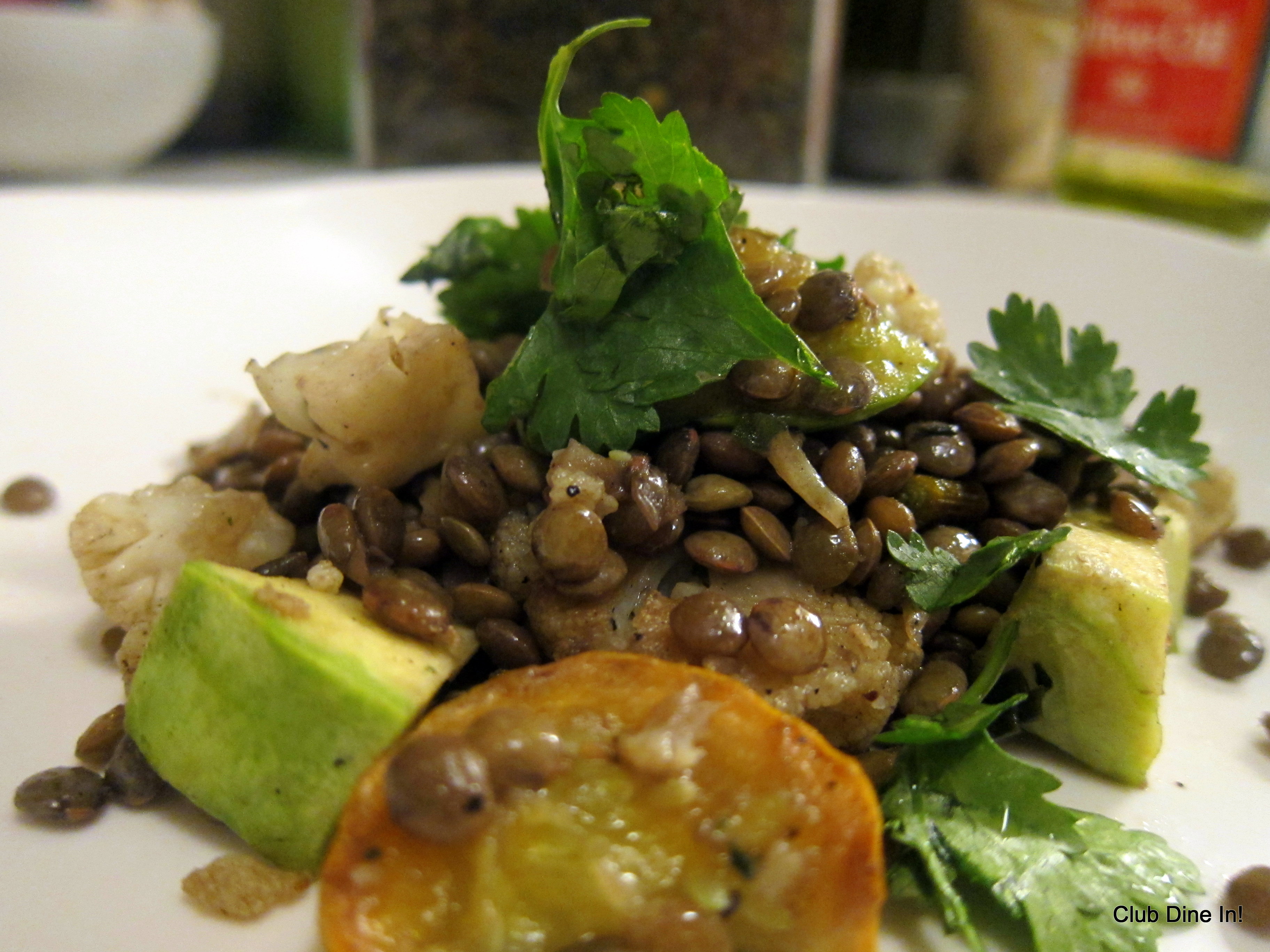
FGL are very satisfying with mixed, seasonal vegetables, olive oil, and seasoning.
Did you know that Club Dine In! is on Twitter and Facebook? Follow @clubdinein for daily health, fitness, and social news, recipes and delicious tips! Join the Club Dine In! community on Facebook to connect with like-minded individuals.
October: Unprocessed and No-Single Use Challenge Updates!

Follow me on Twitter or Facebook!

On October 1st, I joined over 350 people on the October: Unprocessed challenge.  Basically, in this challenge we have pledged to give up processed foods for the month. Processed foods are foods that have ingredients that you wouldn’t keep in your kitchen to make food or ingredients that were created in a laboratory. Unprocessed food is any food that could be made by a person with reasonable skill in a home kitchen with readily available, whole-food ingredients. “It doesn’t mean that you have to be able to make the food — but that the food could be made in a home kitchen by someone who knows what they’re doing.  If it needs high-powered, industrial equipment, or could only be made in a laboratory, then it’s out, ” Andrew  Wilder explained.

At the same time, I pledged to consciously reduce the amount of  new single-use plastic I bring into my life, inspired by Fake Plastic Fish. Single use disposable plastics are product packaging that is used once and discarded. Bags, wrappers, containers, utensils, cups, bottles,  containers, etc. I now question every item that comes in plastic and it’s potential long term benefits or harm. Do I need toothpaste (cap is plastic)- yes, do I need chips from a plastic bag- no!

I am 20 days into both challenges and here is what I have learned so far:

1. If I am not eating fresh homemade meals or using store bought products (ie pasta sauce, soy sauce) to make my meals, I must read the ingredients label carefully. There are  a lot of hidden, unnecessary ingredients in prepackaged/prepared foods. For instance, when you pick up a loaf of bread, you assume the ingredients are just water, flour, yeast and salt. However, if you read the ingredients label you might find 10 other ingredients. Real bread usually comes in a brown bag fresh from the bakery, not pre-sliced in a plastic bag. Therefore, by choosing whole foods over processed/pre-packaged food, I am avoiding plastic.

2. Breakfast is the toughest part of the unprocessed food challenge. I love cereal. I survived exams in college on cereal alone. Sadly, most breakfast cereals are fortified with crap. Even though over the years  I cut out processed cereals, it’s really hard to completely avoid processed ingredients. I started examining what other cultures eat for breakfast. I found that Persians eat feta cheese, dates, flatbread, and nuts; South Indians eat savory dishes such as upma and dosas, Koreans eat rice, soup, and eggs, and Jamicans eat ackee, callaloo, and mackeral. All of these foods are whole foods- whole grains, vegetables, fruits, nuts, seafood, and meats. We stopped eating cereals and started eating non-quick oatmeal, upma (Satish grew up with it), eggs (standard for us), and fruits. Cereal comes in a plastic bag inside of a cardboard box. I haven’t bought cereal in the the last 20 days and thus have not introduced new plastic in the form of cereal. Healthier Plant = Healthier Body.

3. We eat a lot more fresh fruit, nuts and dried fruit. Fruits for breakfast with nut butters and cheese, fruits for in between meals, and fruits to satisfy the sweet tooth. Fruits do not come in plastic packages, unless if you shop at Costco or Trader Joe’s.

4. No power bars. We only ate power bars when we were 0n the road or lazy. Well 99.5% of the power bars out there are fortified and have unnatural ingredients. Though, Lara Bars are made with only whole food ingredients and don’t claim any health benefits on their packaging. We decided to forgo all power bars due to packaging. It’s easier to eat fruit, which doesn’t come in any packaging.

5. Plastic is everywhere! The barrista will put a straw into my drink faster than I can blink my eye. I have told a bartender that I didn’t want the thin black straw in my drink, yet he mechanically put it in my glass. I have not forgot my reusable grocery bags once! Nor have a succumbed to buying plastic water bottles when thirsty. I carry by stainless steel bottle or use the water fountain.

6. When at the grocery store, I only shop around the perimeter. This is because all whole food ingredients are usually lined around the perimeter of the store and the processed foods are conveniently located in the center. Yogurt, cheese, and milk caps all come in plastic and I have not found alternatives yet.

7. I have started questioning more details whens dining out or grabbing food to go. Does the restaurant make their own sauces or use an industrial sauce? Where do the poultry/seafood/meat come from? Will the “doggie bag” be placed in cardboard to go box or a plastic container? Does the restaurant use disposable utensils or steel utensils? Does the restaurant recycle and compost materials?

8. We are saving money. Fruit and vegetables are cheaper than ice-cream, chocolate, and chips, and they can be used in many ways. We eliminated these items completely and were able to save money on our weekly grocery bill. Also, produce seems to have gotten cheaper at the Farmer’s Market. Last month, I paid $3/pound of heirloom tomatoes, this month I have paid $2/pound. Non-heirloom varieties are even cheaper!

9. Eating unprocessed foods and avoiding single-use plastics almost go hand-in-hand. I have failed several times on these challenges but I am not quitter. First of all, I broke down and had a cupcake made by Elizabeth Falkner at the Blog Her Food 2010 Conference. Dessert is my biggest weakness, but I have been strong and resisted 95% of the time. That is an achievement for me. I have also switched to Mascovado sugar, which is completely unrefined.

This is just a short list of the major changes/observations  I have made on this challenge. Again, I was never big consumer of processed foods to begin with but this challenge has made me more consciously aware.

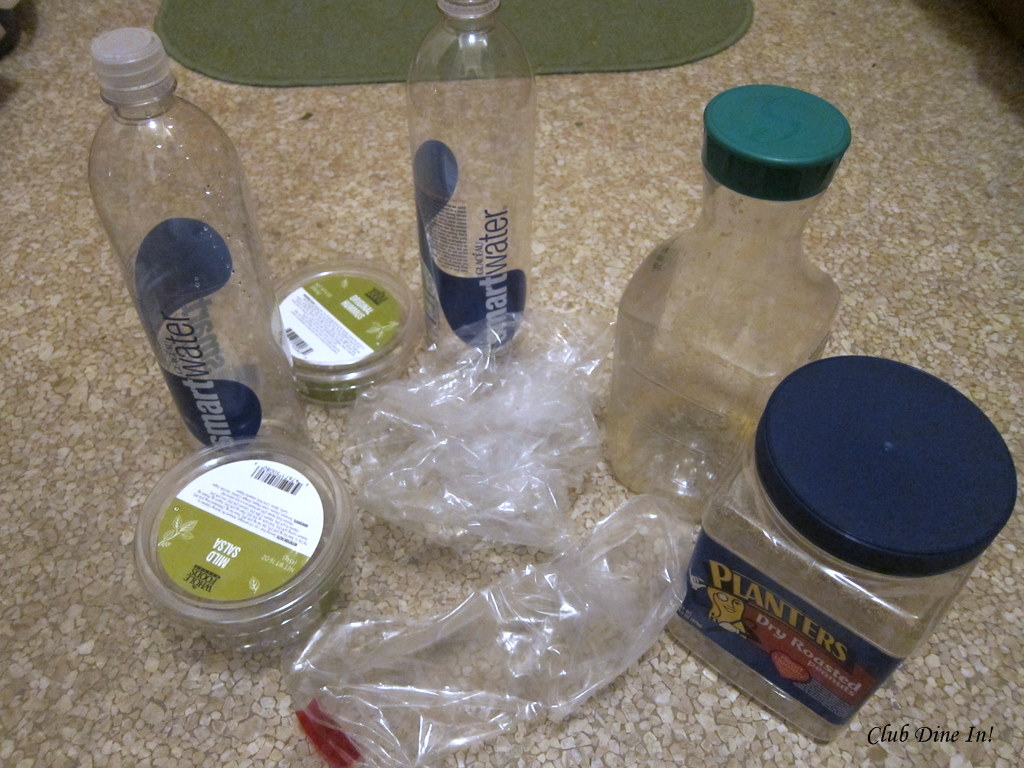
Plastic collected during week 2: all could have been avoided.

If you just discovered October: Unprocessed, go here to find out more and take the pledge. Don’t worry if you missed the start date! You can start your 30 days today, or simply join in for the rest of the month.

Did you know that Club Dine In! is on Twitter and Facebook? Follow @clubdinein for daily health, fitness, and social news, recipes and delicious tips! Join the Club Dine In! community on Facebook to connect with like-minded individuals and find out about exclusive Club Dine! events.

Give Vegetables a Second Chance

Follow me on Twitter or Facebook.

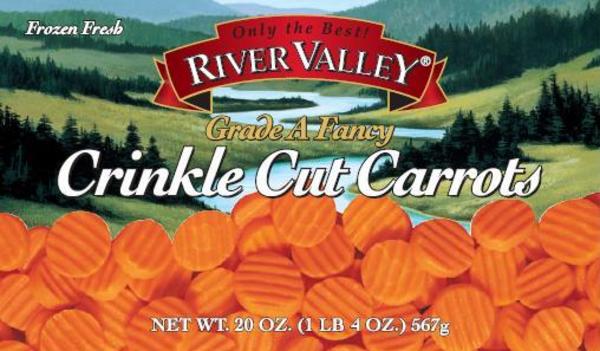
Most of our memories of vegetables are bland, blah, and ugh. At schools we were served pre-cut and pre-diced corn, carrots, and peas. There were no spices to give these large agriculturally farmed vegetables flavor or depth. It was no wonder that we ate the cheese burgers filled with chemicals, fake flavors, and sodium and threw away the vegetables. Some people still shiver at the thought of carrots and peas. I was the same way too, especially when I saw vegetables crinkle cut like this:

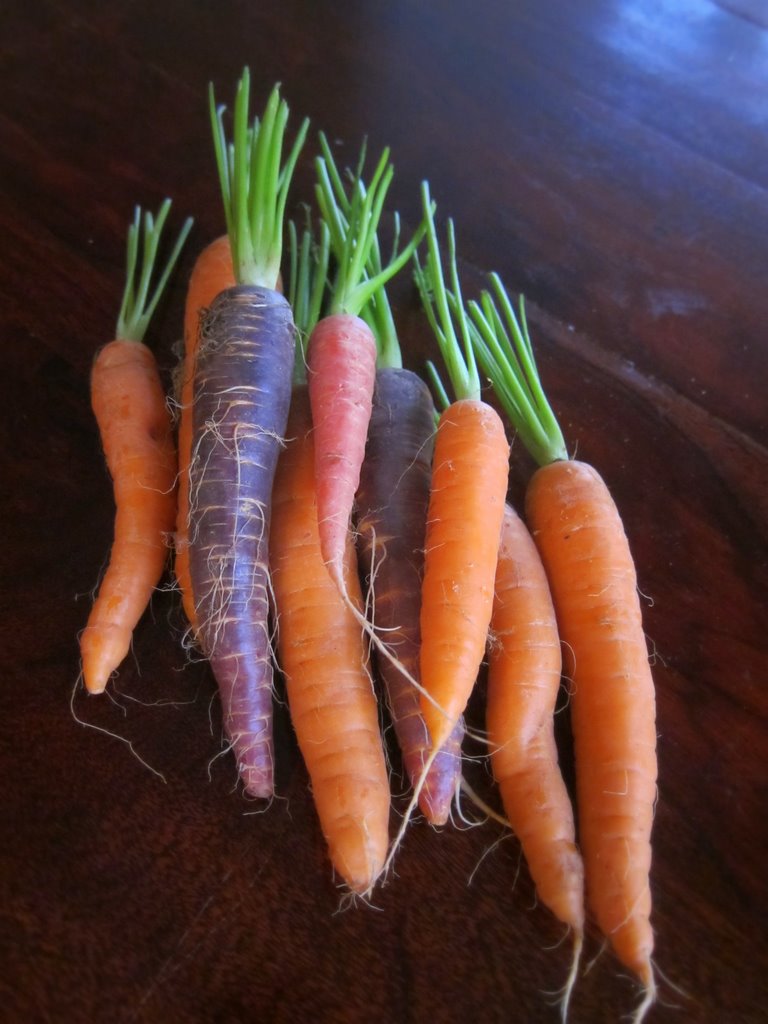
However, real carrots, straight from the farm, in heirloom varieties taste better than candy. And real, non-GMO corn is delicious plain or prepared with other vegetables and meats. A few weeks ago, my dad checked out a local produce stand where the back of the store was actually the farm. He came back and said to me, with a childish grin on his face, “I really liked the carrots. They tasted so good.”

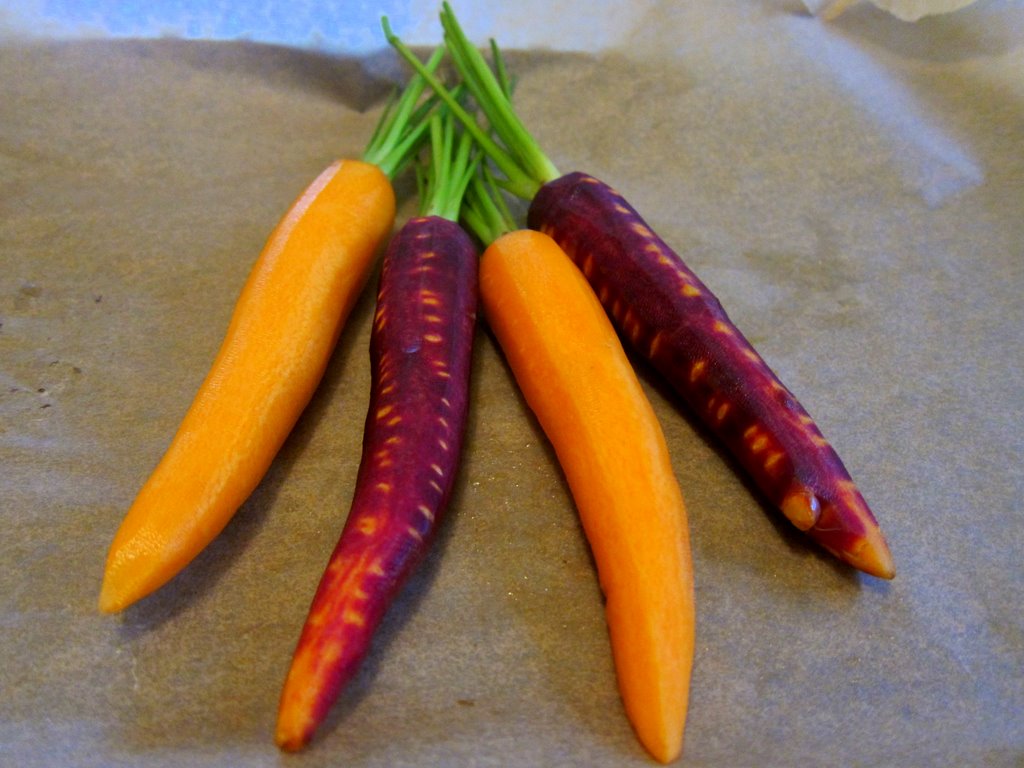
Heirloom Carrots

Wash and peel the skin, rub olive oil, sprinkle salt, pepper and dried basil, bake for 15-20 minutes on 350 degrees. Enjoy as a snack or side dish.

So if you give vegetables a second (or third) chance, you may find that they are not that bad after all. Of course, try to pick up fresh, seasonal vegetables for maximum flavor and nutrition. Sprinkling spices and herbs will go a long way in your appreciation for vegetables.

Did you know that Club Dine In! is on Twitter and Facebook? Follow @clubdinein for daily health, fitness, and social news, recipes and delicious tips! Join the Club Dine In! community on Facebook to connect with like-minded individuals and find out about exclusive Club Dine! events.

Farmer’s Market Find: First Rain, Walnuts, and Persimmons

Follow me on Twitter or Facebook.

We danced all last night to popular ’80s music performed live by Tainted Love. The music brought back a lot of good memories and it was just plain fun.  This morning, we woke up to the sound of rain drizzling outside and I was  really excited. I am not normally a huge fan of cold, wet weather but I had been craving it. Fall represents luscious pumpkin desserts, savory butternut squash dishes, hot specialty drinks, and sexy boots.  Okay, well in San Francisco, we always wear boots, but it just feels refreshing to wear boots in October. Today was the perfect day to make the pumpkin spice latte I have been craving since the begining of the month. I contemplated going to the Farmer’s Market, since I didn’t know how many vendors would still be there due to the rain and I still had a fridge full of vegetables from last week. (I really overbought at the market last Sunday.) Though, I really needed a butternut squash to make soup and  was running low on fruits. We have been eating a lot more fruits for breakfast, since forgoeing processed cereals for the October: Unprocessed challenge. I really couldn’t fathom getting fruit from the supermarket- fruit from Safeway just evokes distasteful  emotions, especially since I have been shopping at the FM for six months consecutively. It is just so hard to go back to conventional produce once experiencing the diversity and deliciousness of the FM. So I put on my rainboots, grabbed two reusuable shopping bags, my Canon S90 and headed to the Fort Mason Farmer’s Market. The Nike Women’s Marathon had just ended and the streets were open to cars again. There were a good amount of dedicated FM shoppers getting their weekly groceries. Oddly, I really enjoyed the space and quietness. Though, it was cold, really cold. Despite the quietness, cold and missing vendors, I still managed to fill up my bags with persimmons,  Asian apples, carrots, unique lemons, pomegranates, squashes, and peppers.


Is it childish to purposefully step in tiny puddles?
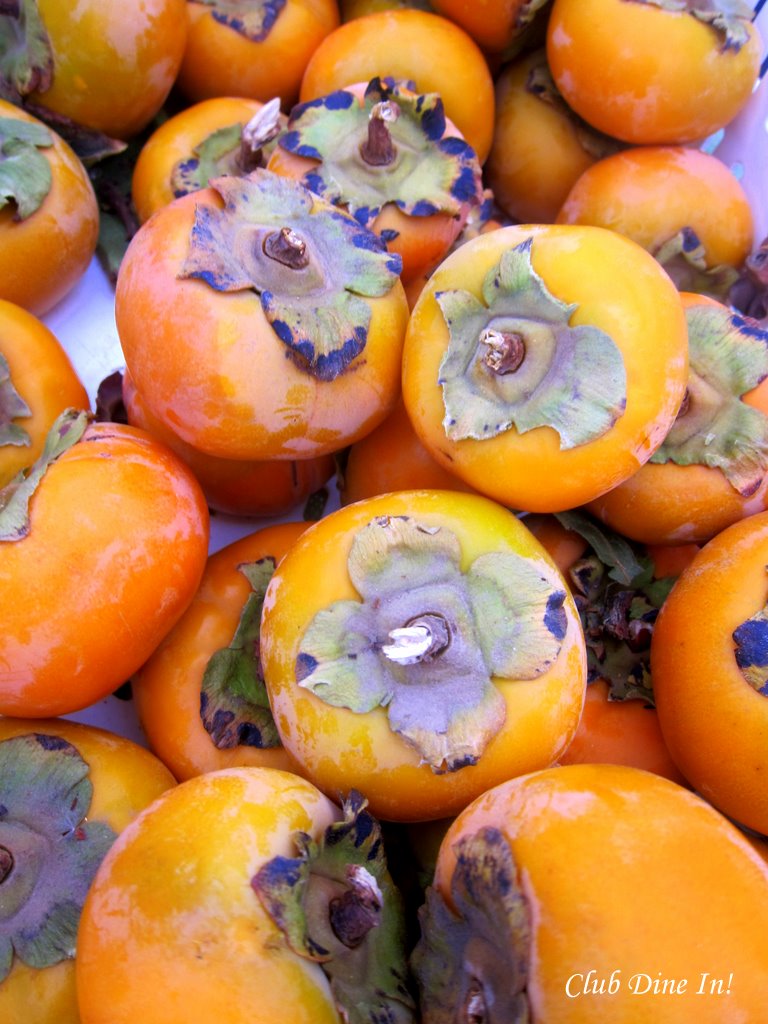
I only really discovered Persimmons last year. Unknown in South India, my mother-in-law sneaked a few away with her to India. Persimmons are a mild weather fruit. – Ken’s Top Notch Farms
I was starved and this beautiful raisin bread looked so good, devilishly tempting. I resisted, remembering the October: Unprocessed challege.Note: Do not go grocery shopping hungry.
Impulsive buy: Fresh Sage. How do I use sage? I would love pointers. -Happy Boy Farms
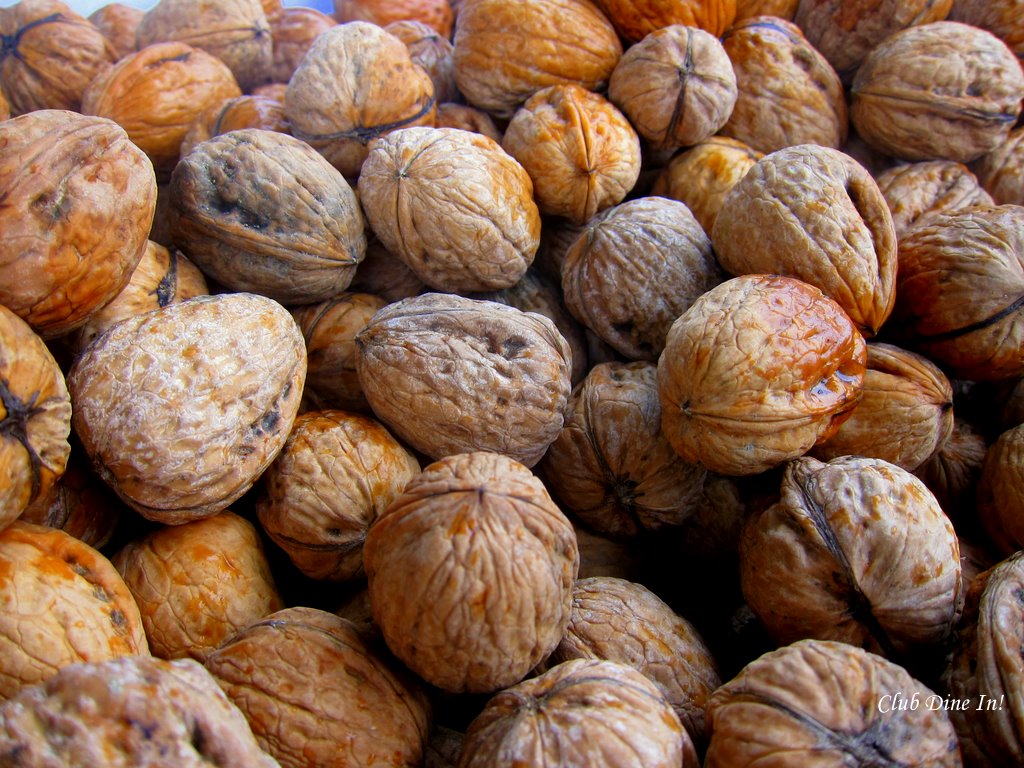
Walnuts are making an appearance at the Farmer’s Market starting now!
The are not limes- they are lemons and are best eaten before they start turning yellow. They are called Sudachi Lemons. I have never used them, but can’t wait to use them.
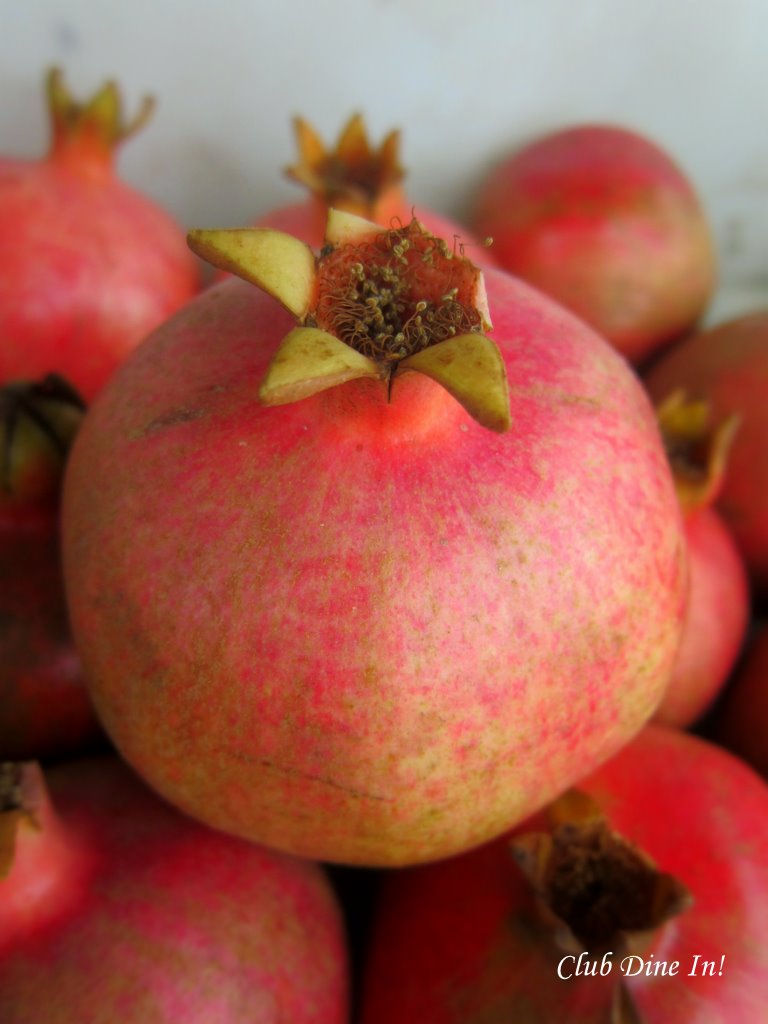
I don’t have a lot of experience eating Pomengranets, but Satish likes them. I am going to try them out in salads and with grains.
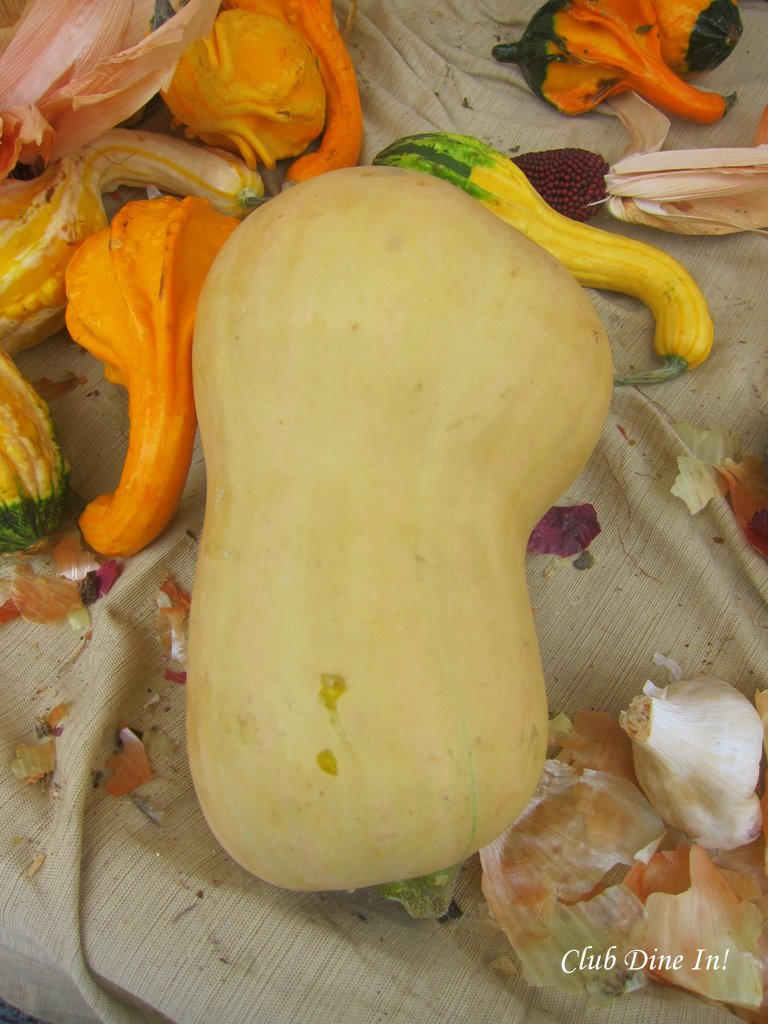
I am going to use this 2 pound baby in a curried soup!- Swank Farms
The prettiest onions I have ever seen. They are called Cipolline Onions and are an Italian heirloom varietal. They are sweet and great for carmalezing. I am going to roast them in the oven with the butternut squash and use them in the soup. -Happy Boy Farms
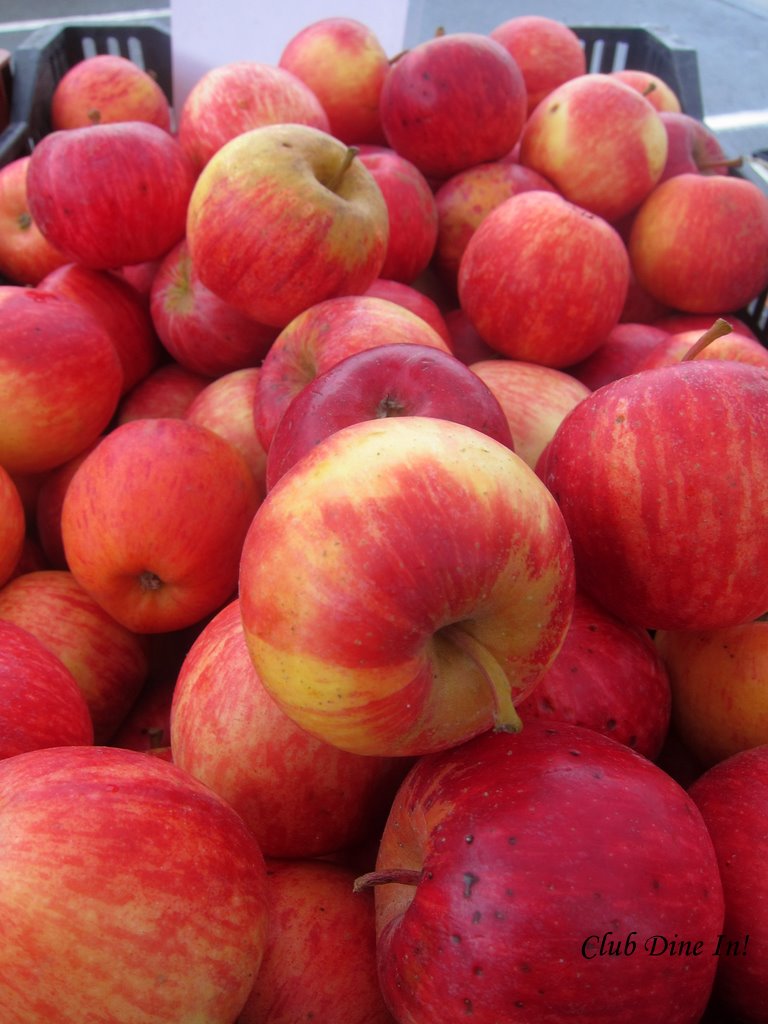
I never liked apples and cringed everytime I thought of red apples. Then I went to a Kitchen Table Talks, where heirloom fruits and vegetables were highlighted. At this event, we had a chance to taste several varieties of heirloom apples. I was hesitant at first, but tried each one and went back for seconds. Refreshing, juicy, crisp, lightly sweet. Tasting these apples really changed my entire attitude towards the fruit. They were nothing like the waxy, imposter red Delicious apples sold at stores and given to school children. Pictured are the Gala variety from Billy Bob’s Organic.


Did you know that Club Dine In! is on Twitter and Facebook? Follow @clubdinein for daily health, fitness, and social news, recipes and delicious tips! Join the Club Dine In! community on Facebook to connect with like-minded individuals and find out about exclusive Club Dine! events.

Real Bread and a Recipe

Factory Automation with industrial robots for ...

Image via Wikipedia

Tartine is simply a French word for an open faced sandwich, usually with jam or a spread on top. And I LOVE tartines. They can be casual, easy, fancy, complicated, but always scrumptious. The key in making a tartine is using fresh, unprocessed bread. The bread should be simple, like an old-fashion country loaf, made with as little as four real ingredients.  Skip the loaves that contain sugars, preservatives, additives, hydrogenated oils, high-fructose corn syrup, and corn syrup. There is a distinct difference in taste and texture with breads made fresh at home or a small bakery compared to the bread found in supermarkets. Most breads sold in supermarkets are made on an industrial scale (mass-produced) and meant to have a long shelf-life (not grow old). Also, bread found in the supermarket is usually pre-sliced for your convenience, which would normally become stale a lot faster than an unsliced loaf of bread. To extend the shelf-life of the bread, the breadmakers (chemists) add a ton of  preservatives and possibly other additives to make the bread look attractive (dyes, bleach). The goal of industrial bread makers is to make the bread as cheaply as possible by using low quality ingredients, extending the shelf-life, and charging consumers the pre-sliced convenience fee. Taste and nutrition are really not important factors in the bread making process. However, a true bread maker puts in a lot of dedication and passion into making each loaf. Let’s compare the ingredient lists between typical store-bought bread and one that would be made at home:

Store Bought Bread

Enriched Bleached Flour [Wheat Flour, Malted Barley Flour, Niacin, Iron, Thiamin Mononitrate (Vitamin B1), Riboflavin (Vitamin B2), Folic Acid], Water, Whey, High Fructose Corn Syrup, Yeast, Contains 2% or Less of Each of the Following: Sugar, Wheat Gluten, Calcium Sulfate, Soybean Oil, Salt, Dough Conditioners (May Contain One or More of the Following: Mono- and Diglycerides, Ethoxylated Mono- and Diglycerides, Sodium Stearoyl Lactylate, Calcium Peroxide, DATEM, Ascorbic Acid, Azodicarbonamide, Enzymes), Guar Gum, Calcium Propionate (Preservative), Distilled Vinegar, Yeast Nutrients (Monocalcium Phosphate, Calcium Sulfate, Ammonium Sulfate and/or Calcium Carbonate), Corn Starch, Vitamin D3, Soy Lecithin, Soy Flour.

Homemade/ Artisan Bread

Flour, Water, Yeast, Salt.

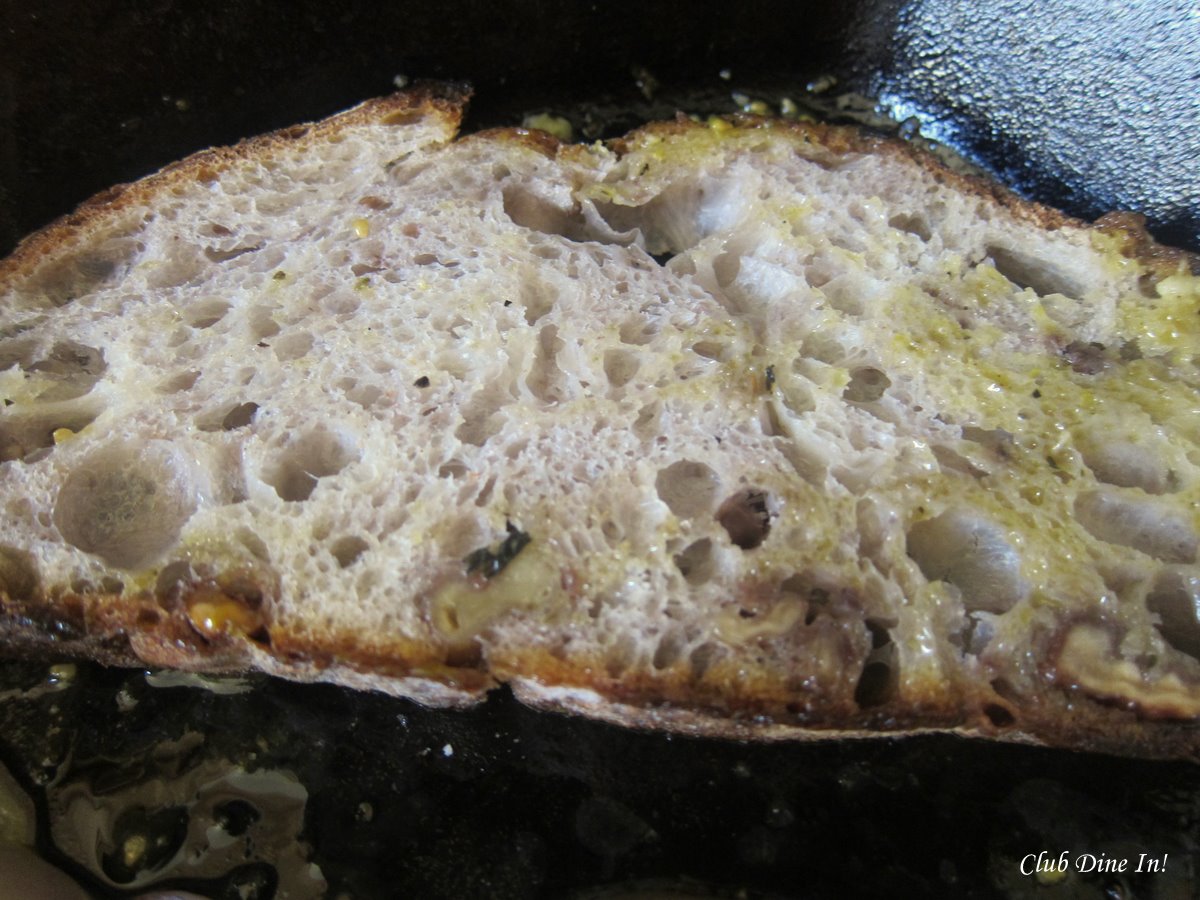
Slice your own bread, it’s worth it!

I  like to get my loaf from Tartine Bakery, Acme Bread, and La Boulangerie. Though I try not get it too often, as I cannot practice any restraint around a fresh, aromatic loaf. I like to eat tartines with warmed jams and nut butters, pure butter, fresh fruits, or heirloom tomatoes, cheeses,  grilled chicken breast, arugula, or farm fresh eggs.

Which loaf of bread would you feel comfortable eating and digesting? Which do you think is better for your kids and family?

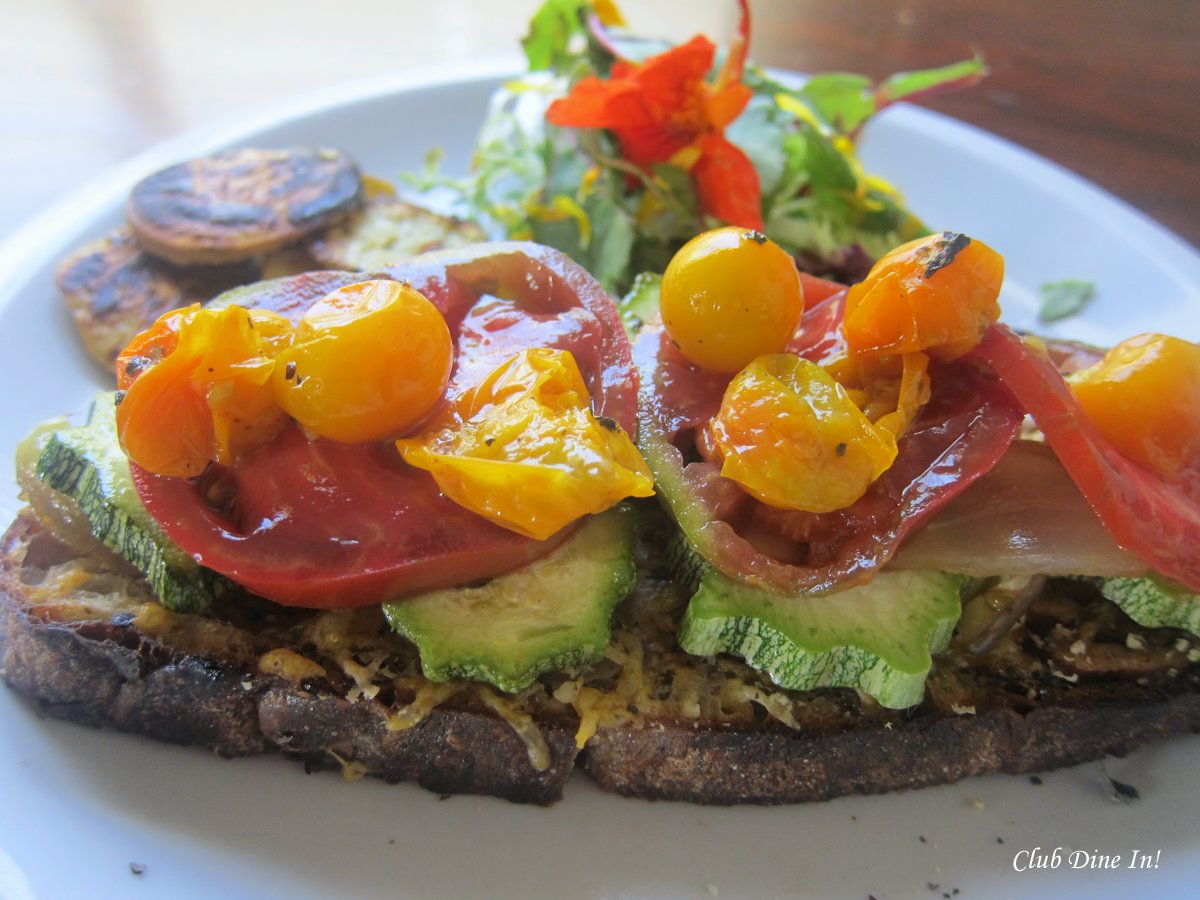
Early Autumn Savory Tartine

Ingredients
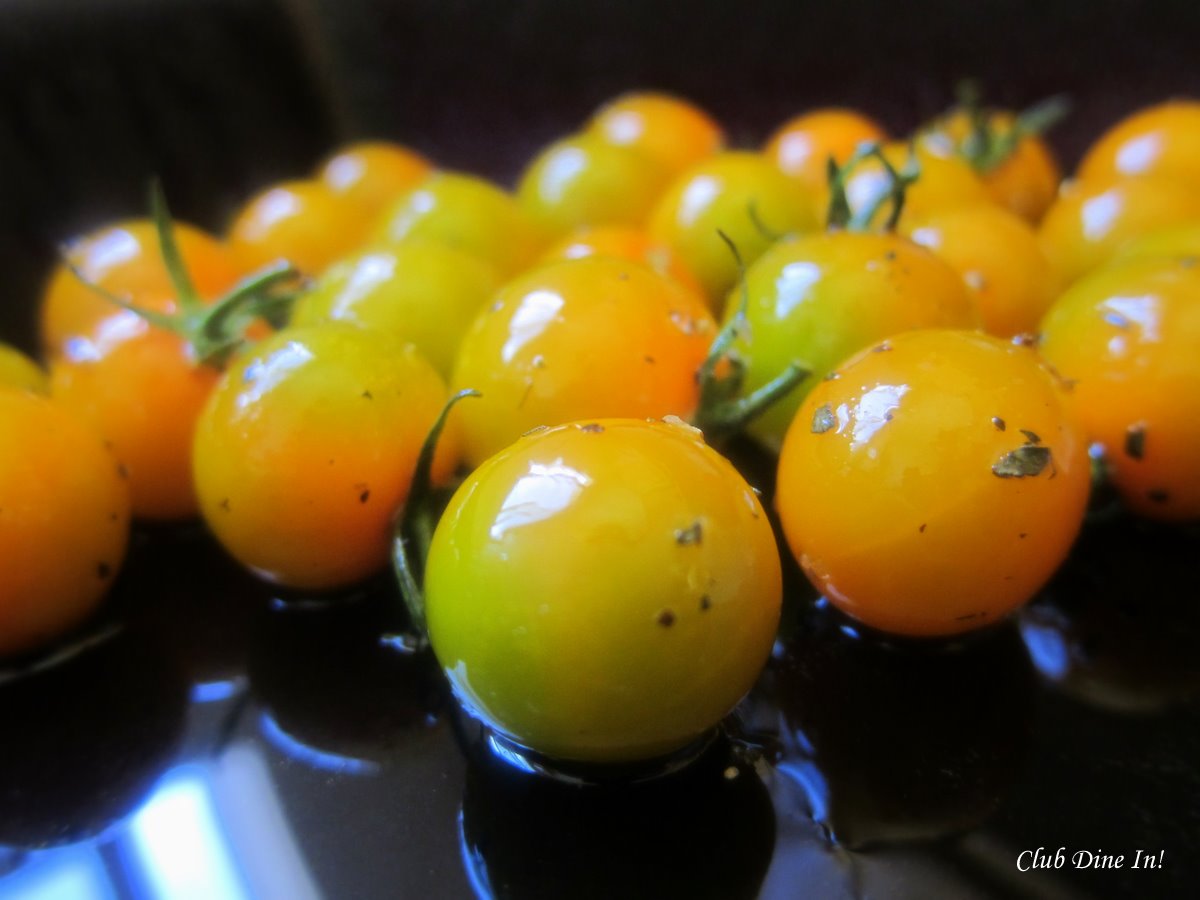
1/2 cup cherry tomatoes
1 tsp garlic, chopped
2 tsp olive oil, plus more for coating pan
1/2 cup zebra zucchini, sliced
1/3 cup onions, sliced
1 small ripe heirloom tomato
2 slices of a country loaf bread
2 tbs sharp cheddar cheese, grated
2 tbs goat cheese, crumbles
2 tbs Parmesan cheese, grated
1 tsp dried basil
sea salt and freshly ground pepper


Methods

1. In a mixing bowl, toss 1 tsp olive oil, salt, pepper, garlic, and cherry tomatoes to mix well. Meanwhile, heat a cast iron pan (or nonstick skillet) on medium heat. Gently toss the cherry tomatoes in the pan and let cook until the skins are wrinkly and juice starts to burst out, about 7-10 minutes. Stir frequently.

2. In the same skillet or another, cook the onions until soft and translucent, about 10 minutes. Cook the zucchini until tender, about 5 minutes. You may need to drizzle a little olive oil over the pan so the onions or zucchini does not stick. Meanwhile, slice the heirloom tomatoes and reserve the juice.

3. Toast the slices of bread in a toaster or on the skillet (my preference, so it picks up flavor and oil from the vegetables). Sprinkle the cheeses over the bread immediately after it’s done toasting. Pour the reserved juice of the heirloom tomato over the bread. Layer the zucchini, onion and tomatoes over the bread. Sprinkle salt, pepper, and dried basil over the tartine. Enjoy warm with a side salad.

Makes two tartines.


Eating “Greener” Is Cheaper (via Eco Women: Protectors of the Planet!)

This blog was on Freshly Pressed and I wanted to share with all of my lovely readers!

Eating "Greener" Is Cheaper Over the weekend Enviro Girl listened to this report on NPR–“Midnight Shopping on the Brink of Poverty.” She groaned in frustration when the story reached the end.   The low income family featured in the report had finished their monthly food shopping at Walmart with $60 remaining.  The parents of this family of seven planned to spend the $60 at another grocery store on canned vegetables. The myth that fresh food, which is healthier food, is mor … Read More

via Eco Women: Protectors of the Planet!

October: Unprocessed and No Single-Use Plastics

Twinkies and Meat

Image by blue_j via Flickr

This month I am going to challenge myself by giving up processed foods completely and reducing my consumption of single-use plastics significantly.  Okay, you must be thinking: Nimisha, you are always eating farm fresh food and carrying your own reusable bags and water bottle. What more can you do? The truth is, I can do a whole lot more. If you raid my pantry, you wont find much junk food, but I too eat processed food. And I too use a lot of plastic. And the biggest part of it all is that I do it unconsciously! Unprocessed foods and plastics are so integrated in our lives that we can’t even recognize them.

Continue reading

Fair Trade 101


Tea Harvest, Kenya

Image by franz88 via Flickr


What Does Fair Trade Really Mean?

Fair Trade provides a fair price for farmers which leads to higher living standards, thriving communities and more sustainable farming practices. It aims to educate and empower disadvantaged producers and connect them to a market, so they too can participate in global trade.

What Are Fair Trade products?

Almost everything you buy can be Fair Trade. The most common items are food products such as: coffee, tea, bananas, chocolate, sugar, rice, spices, cocoa, fruit, nuts, oils,  flowers, and handicrafts. For an extensive list of Fair Trade products look here.

Why Fair Trade?

By buying fair trade products, you are supporting:

  • Fair Prices for Workers
  • Healthy Working Environments
  • Community Development (Schools, Health Care, Electricity, etc.)
  • Environmental Sustainability
  • Gender Equality in terms of Wages and Benefits
  • Democratic and Transparent Organizations
  • Higher Quality Products
  • Respect

And you are saying NO to:

  • Cyclical, Inescapable Poverty
  • Environmental Degradation
  • Forced Child Labor and Slavery
  • Unsafe, Unlawful Working Conditions

What You Can Do?

Fair Trade can only be successful if consumers (you and I) choose products that are Fair Trade Certified. Supporting Fair Trade is as easy as buying bananas or a cup of coffee. Just look for the fair trade label on the products you buy or ask your vendor if the product is Fair Trade certified. You can raise awareness in your community or just amongst friends and family by talking about Fair Trade. You can also organize events and initiatives in the classroom, office, city, or place of worship.

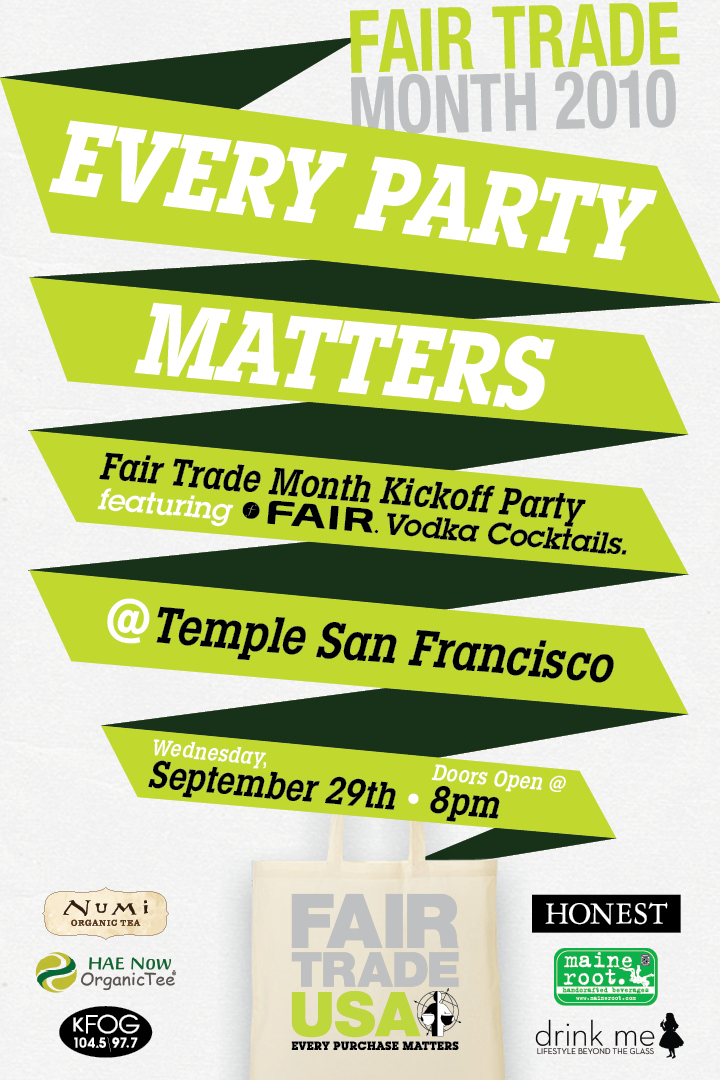
Club Dine In! has partnered with Fair Trade USA for a mixer to kickoff Fair Trade Month (October) in San Francisco, Ca. If you are in town, please come by and meet us! Each attendee will receive a special box of Fair Trade Tea and sample high quality cocktails, tea, chocolate, and much more! Sign up on Eventbrite or Facebook to save $5 at the door.


You can register for the event at: http://fairtrademonth.eventbrite.com/ and share the event with friends on Facebook.


Did you know that Club Dine In! is on Twitter and Facebook? Follow @clubdinein for daily health, fitness, and social news, recipes and delicious tips! Join the Club Dine In! community on Facebook to connect with like-minded individuals and find out about exclusive Club Dine! events.

Meatless Mondays: Kids Love Vegetables

Follow Club Dine In! on Twitter The kids love their veggies and will eat them up without creating a scene, but you will have to show them how. Five years ago, Chez Panisse Foundation, Center for Ecoliteracy, and Berkeley Unified … Continue reading

Make Our Food Edible

Follow Club Dine In! on Twitter

The news and media may no longer cover the massive egg recall, but the issue is still real and “hasn’t gone away”. We vote for change with our forks and dollars, and you really can make a difference. Vote by feeding yourself and your family better, cleaner, safer and ethical food. Checkout this really short video if you are even slightly curious as to what I am talking about.

Where to find safer food:
-Farmer’s Markets
: Most family farms practice sustainability and really love the land and what they produce. Most farmer’s will even let you come to their farm and pick your own eggs or give you a tour!
-Smaller grocery stores that carry local, sustainable meats, dairy, eggs, vegetables, and fruit
-Buy organic, cage-free (really cage-free), pastured eggs
-Make sure your your eggs come from small, local farms that raise their chickens outside of cages and treat them humanely.
-Avoid insanely cheap eggs and meat, which means they were factory farmed and all of the livestock were raised in tiny cages, biting and pooping on each other and then transported to another factory to be sorted and packaged to sell at grocery stores around the nation.


Did you know that Club Dine In! is on Twitter and Facebook? Follow @clubdinein for daily health, fitness, and social news, recipes and delicious tips! Join the Club Dine In! community on Facebook to connect with like-minded individuals and find out about exclusive Club Dine! events.